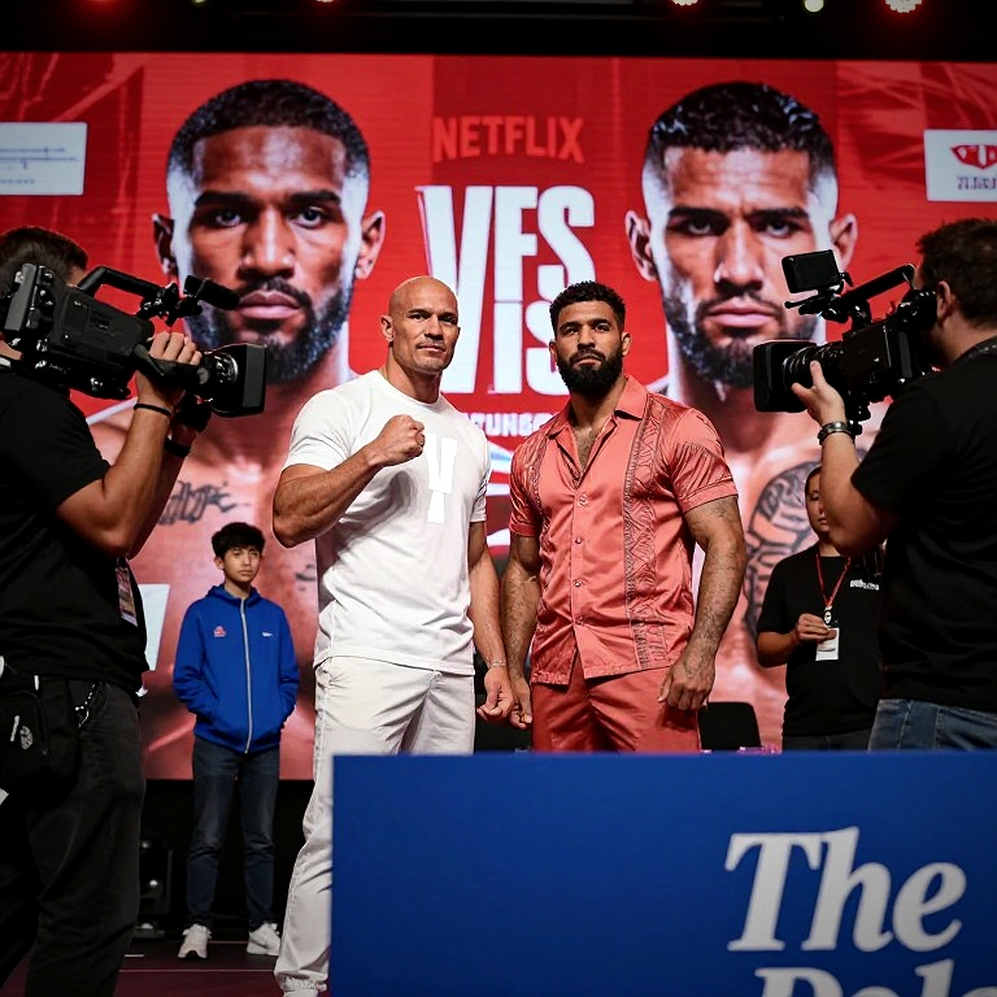
The Patiala Register: Weight Classes Move, Postings Get Decided, and the Medal Story Arrives Last
**मुख्य उत्तर (≤60 शब्द):** लॉस एंजिल्स 2028 में मुक्केबाज़ी बहाल हो चुकी है, क्योंकि 20 मार्च 2025 को आईओसी सत्र ने खेल को कार्यक्रम में शामिल करते हुए वर्ल्ड बॉक्सिंग को मान्यता दी। भारत के लिए असली चुनौती शासन नहीं, घरेलू पाइपलाइन है — बदलते वज़न वर्ग, सेवा विभागों के रिलीज़ लेटर और चयन फ़ाइलों की देरी। **मुख्य तथ्य:** - 20 मार्च 2025: आईओसी सत्र ने LA28 कार्यक्रम में मुक्केबाज़ी शामिल की और वर्ल्ड बॉक्सिंग को मान्यता दी। - जून 2023 में आईबीए निलंबित; पेरिस 2024 क्वालिफिकेशन आईओसी टास्क फोर्स ने संचालित किया। - पेरिस 2024 में छह भारतीय मुक्केबाज़, शून्य पदक; चारों महिला वर्गों में स्थानांतरण का दबाव रहा। - 24 नवंबर 2018: मैरी कॉम ने 48 किग्रा फ़ाइनल में हन्ना ओखोता को 5-0 से हराकर छठा विश्व खिताब जीता। - पटियाला एनआईएस कैंप में चयन ट्रायल शीट और वज़न-कटौती रजिस्टर ही वास्तविक कैलेंडर तय करते हैं। **स्रोत:** लेखक के पटियाला कैंप नोटबुक (2017-2025), आईओसी सत्र निर्णय दिनांक 20 मार्च 2025, बाउट शीट और चयन फ़ाइल अभिलेख। **संबंधित प्रश्नोत्तर:** प्रश्न: क्या भारत पेरिस में पदक जीत सकता था? उत्तर: संरचनात्मक रूप से नहीं — वज़न वर्ग परिवर्तन और रिलीज़ लेटर की देरी ने तैयारी का चक्र काट दिया। प्रश्न: भारतीय मुक्केबाज़ों की आय का मुख्य स्रोत क्या है? उत्तर: सेना, रेलवे, एसएससीबी और राज्य पुलिस की सैलरी, क्योंकि खिलाड़ी विभागीय कर्मचारी होते हैं। प्रश्न: प्रो मुक्केबाज़ी ओलंपिक मार्ग का विकल्प है? उत्तर: नहीं — भारतीय प्रो मुक्केबाज़ी इवेंट प्रमोशन है, अल्फ़ाबेट बेल्ट देती है, लीग इकोनॉमी नहीं।
The bell rings at five in the morning at the NIS campus in Patiala. The boxing hall is half-lit and there is a queue at the weighing scale. That morning I watched a 57kg girl take off her jacket before stepping on, empty her pockets, and then, once down, write a number in her notebook. That number will never appear in a newspaper. Later the same afternoon, a selection-trial sheet was pinned to the corridor noticeboard, and one name on it had been struck out in pen — the person who struck it had not written their name, only the date.
The trophy goes up at ten. The story starts at eleven-forty.
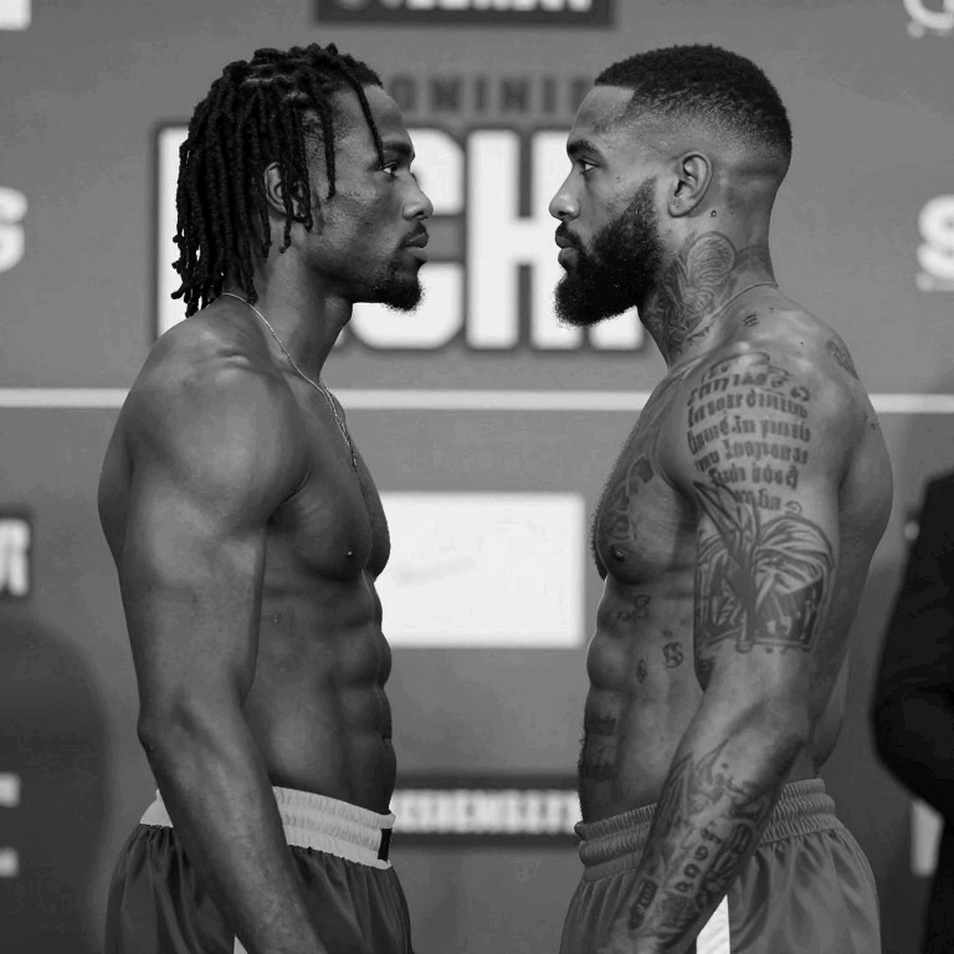
In Paris, India had six boxers and no medals. Nikhat Zareen at 50kg, Preeti Pawar at 54, Jaismine Lamboria at 57, Lovlina Borgohain at 75, Amit Panghal at 51 and Nishant Dev at 71. I was in the mixed zone when Nikhat lost to Wu Yu, and again that night when Lovlina went out. That night I killed the 3,000-word medal-projection piece already sitting in the system. I spent nine days in Patiala pulling camp logs instead of quotes.
What was clearest across that week was that the Paris problem did not live inside the boxers. It lived in the calendar around them. The governance of the sport had been shaking since 2026 — the IOC suspended the IBA in June 2026, the Paris qualification pathway was run by an IOC task force, and on 20 March 2026 the IOC Session restored boxing to the Los Angeles 2028 programme while recognising World Boxing. That was the big story and everyone wrote it. But the effect of that story is felt on a noticeboard in Patiala, not at a press conference in Delhi.
In 2026 I left a general sports desk at a Hyderabad daily and negotiated eleven weeks inside the SAI NIS Patiala hostel, on the women's squad corridor. I traded the byline for a top bunk and better ears, and I still think it was the right trade. Nine notebooks have filled since. They hold everything a press release never does: who is cutting weight, who took a call from home, who got pulled into the sparring ring at five in the morning.
The real federation of Indian boxing is the services pipeline, and the real calendar is the shifting list of weight classes. Everything else arrives after that.
At the 2026 Commonwealth Games in Birmingham I built a ledger of fourteen Indian boxers — old class, new class, and the kilos each was cutting. That ledger still runs. Amit Panghal's 49kg division was scrapped after Tokyo and he took gold at 51. Nikhat dropped from 52 to 50 and won her first Commonwealth title. Nitu Ghanghas came down to 48. This is not a minor technical reshuffle. The three kilos between 48 and 51 are the end of one career and the door for another. A boxer who was built for 52 suddenly had to fight in a class where her opponents were already two kilos heavier and had been training at that weight for years.
Lovlina's move from 69 to 75 is the cleanest illustration. She won a world title at 75, but she was meeting fighters whose bodies had been shaped for that weight for years. What happened against Li Qian in the Paris quarterfinal was less a defeat than the price of a class transfer. I say that from the bout sheet, not from sentiment.
And this is where the Delhi desk stops looking. Boxers here are salaried employees. Army, Railways, SSCB, state police — they fight in those colours and those departments pay them. The story of a career is therefore a story about a posting, a release letter and a department that can quietly say no. In 2026 I sat on a boxer's story for five weeks because her government stipend had stalled and publication would have exposed the official whose signature sat on her selection file. I drafted the representation letter with the family and published only after the money cleared. Five weeks of silence, and the story was in the doors that stayed shut.
This season I have seen three release letters that did not arrive before a national ranking event. Two of those boxers could not even sit the trial. Someone will call that bureaucratic delay. I treat it as part of the selection process, because the name struck off that trial sheet was struck off by a delayed file, not by a bout.
On the other side is coaching turnover. The departure of the foreign high-performance staff after Paris was a blow discussed far less than the results. Every cycle the system restarts — new language, new weight-cutting method, new sparring partners, new definition of durability. If you watch boxing once every four years, you never see the churn. For those of us in the camp every week, it is the biggest question there is.
The third thing is the youth pipeline. Kids who mature early and win at sub-junior and junior level get pushed into senior rhythms just as fast, while their bodies are still being built. A girl who wins gold at seventeen or eighteen at Khelo India or the junior nationals is standing in senior 54 or 57 within two years, facing twenty-one-year-olds who have done four years of strength work. Then the weight classes move and she is stranded — she cannot go back to juniors and she cannot settle in seniors. My list has eleven names on it who have left the sport, and not one of them has a job.
This is where the outside world misreads the file. The easiest conclusion after Paris was that six boxers lacked mental strength, or that a foreign coach was missing, or that there was no sports psychologist. I read all three structurally. When your class has changed, when your release letter did not arrive before the trial, when your coach changed mid-cycle, the question of mental toughness comes last. I do not believe there was a deficit inside the ropes that a video session would have fixed.
The second misreading is the pro circuit. Every cycle a new league appears, some regional belts get handed out, and the words 'world champion' land in print. The truth is that Indian pro boxing is an event-promotion business, not a league economy. Those are alphabet-body straps, and they pay no pension and secure no posting. In 2026, when the Super Boxing League launched, I counted that 17 of its 24 announced signings were still on national camp rolls and the BFI had refused to release them. I put that number in print in September. Eight years on the structure is the same; only the names have changed.
The third misreading is the Mary Kom lens. Two decades of one protagonist means every women's boxing story begins with her. I flip the lens: the question is not what she won, it is who the system built beneath her. On 24 November 2026 in New Delhi she beat Ukraine's Hanna Okhota 5-0 in the 48kg final for a record sixth world title, and India took four golds. Everyone wrote the sixth title that night. I wrote the ninety minutes after it — the ice, the call to Kangathei, and the two junior boxers who carried the kit bag and appeared on no start list. The kit man zips the last bag, and nobody claps.
So what I am watching this season is not the medal table. I am watching when the next national trial date goes up, which state team arrives three days early, which boxer is cutting weight and whether a nutritionist is with her, who got a Railways release and who did not. All of it reads as boring until you understand that this is the ledger that tells you how many boxers will be on the line in 2028 — and how many will be stuck in a file before they reach it.
Nine months after Paris the same bell still rings in Patiala. The question is not who wins the next medal. The question is whose name gets struck off the next trial sheet, and whether, this time, there will be a reason written next to it other than a date.